For a long time, I have been an avid slasher fan. The genre always meant a great deal to me since it was one of the genres that got me interested in film as a whole and got me on the film-path I am on to this day. What I have been struggling to comprehend and thoroughly explain is why I find these films so good and important. At first, I explained it like I assume most people would. For example, I would say stuff like “it’s silly, “it’s fun”, or “it’s just a good time”, but after gaining more confidence in not only myself but my own personal taste I have come to the realization that these films are not only important to me, but to film in general. I realize that these ways of describing slasher films are downplaying the actual cinematic qualities that these movies bring to the table.
When I wrote my bachelor’s thesis on this genre and more specifically the tropes within them, I found that a lot of the academic articles and books written about the genre was treating the films as sort of a joke, often focusing on the campy and silly side of the genre. In my opinion, I think it deserves more recognition as serious horror.
One of the topics that is usually talked about when it comes to the slasher genre is the transition from the 80s to the 90s. After Scream (Craven 1996) came out, and poked fun at the genre clichés and tropes, the movies that followed used this format to emulate its success. In my opinion, this was the beginning of the end for the slasher film at least as I knew it.
When you have opened pandoras box and gone through the inner workings of a genre, it loses its mystery and most importantly its scare factor. Why should we take these films seriously if the filmmakers have made it perfectly clear that these films are not to be taken seriously? In my opinion it is a disservice to the rest of the genre when the blueprint is that it shouldn’t be talked about in a serious way. The genre is often boiled down to a couple of tropes like sex, teenagers drinking or smoking dope and blood. These tropes alone make up a simple story on paper if you were to take them at face value. A big part of the discourse around these films is the conservative reputation it has gotten through the portrayal of young people dying despite constant warnings form the grown-ups around them.
I think what separates a lot of slasher films is how it treats death and where our allegiance lies as the audience. Slasher films are often about young people who have no idea and no care in the world that a killer is after them even after a great number of their friends go missing. This is why I think the movies have gotten the conservative reputation it has gotten over the years. The fact that they show younger people without a care in the world, unaware of the dangers lurking in the dark even after desperate pleads from older people of the potential danger out there. A lot of people will view this as young people being stupid and ignoring advise from their elders for example their parents.
Going back to the main theme of this article, that being the «perfect» slasher film, I would say that this is one of the main tropes you will find in a lot of these films, and the reason I find the earliest slasher films to be superior than the ones that came after is because they treated themselves seriously. Even if the story was a bit silly, they never doubted themselves in terms of execution or story. It treats its story and the events within it seriously, especially the concept of death. The horror of the fact that someone is after you and you don’t even know it before it is too late, or the horror in their eyes when they realize what is happening.
We never side with the killer in these movies, we might think the killer is iconic or something in that vein because of their recognizable look or the creative ways they dispose of people, but the horror never leaves, and in the narrative of the films we are always aligned with the main cast of characters. There is a reason we keep shouting to the TV stuff like “don’t go in there” or “he is right behind you”. We wouldn’t say these things if we truly sided with the killer and just wanted to see a teenage bloodbath. This furthers the question of the perfect slasher because the good ones usually get a sequel or two – maybe even ten, so when the only returning character we can count to be in the movie is the antagonist, it’s not strange that we form a connection with them. The character that has become the face of their movie or franchise will have the superior staying power with the audience.
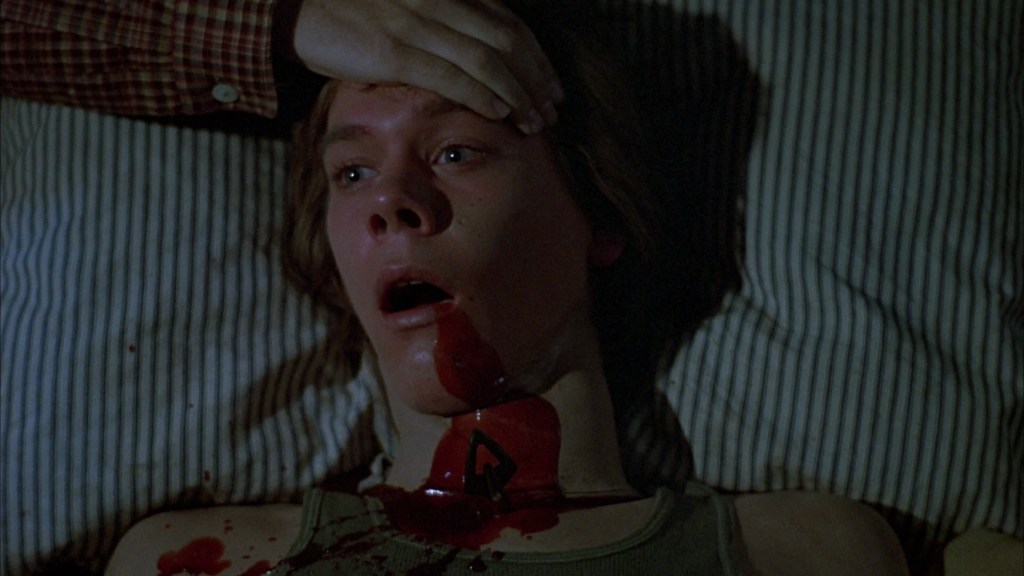
Let’s talk about one of the most well-known and in my opinion, best slasher films, namely Friday the 13th. What is the movie about? Assuming you are a horror fan, I think there are few people who doesn’t know what Friday the 13th is about. When Steve Christy is trying to renovate the isolated summer-camp, Camp Crystal Lake, the teenage workers are picked off and killed by a mysterious killer lurking in the woods. This movie is well known for starting one of the longest running franchises and one of the most recognizable horror characters of all time, Jason Voorhees. The machete wielding and hockey mask wearing killer prowled his way through cinemas in the late 80s and became a pop culture icon, but before that it all started with the original Friday the 13th.
The creators of the film have been very open about the fact that they thought that john carpenter’s classic Halloween was making a ton of money on a low budget, so they had the brilliant idea to take that concept and use it to make their own movie. The movie is often described and sometimes dismissed as a knock-off of Halloween, but I think that besides the concept of a killer targeting younger people, there isn’t much to tie the two of them together. Yes, the creators have been open about the fact that they “ripped off” Halloween, but ignoring all of the original stuff they added to the growing genre is a disservice to the movie. Most horror fans know that in the original movie, Jason Voorhees is not the antagonist, but his mother who went mad after her son drowned on the watch of some teenage camp counselors too occupied with making love than watching over him. This reveal is not portrayed as a killer who is simply crazy but instead is about a mother who lost the one thing she had in this world and finally snapped. The movie also broke with tropes of the killer being a man.
As you can tell, I am a huge fan of this film. Not just because of nostalgia, but because of a growing respect for what it did and, most importantly to this article, it is a perfect example of a movie within this genre that treats the deadly events portrayed in this genre as the horrifying concept that it is. Just as Halloween did two years prior, it showed young characters being killed in terrifying ways and we as the audience is meant to react to the fact that these characters are being killed and not reacting cheerfully because as some people would put it «the characters brought it upon themselves».
The main point I am trying to make is that slasher films in the 80s weren’t always the most serious movies out there, but a big part of why they worked is that they treated its story with a level of seriousness that is in my opinion currently lacking in these types of films. The death scenes are some of the worst examples when it comes to this problem. They are often played for laughs or the characters that are getting killed are playing it off with a cheesy one-liner before they are murdered. These new movies within the genre really believe that we are rooting for the killer, and is reinforcing that idea with comically stupid and silly characters that doesn’t act the way the situation calls for which then in turn tells the audience that this is something to be taken as a joke.
So I conclude this incoherent rambling with this, the slasher as I knew it died when the people who died in them stopped taking their deaths seriously. When we as the audience and even the characters stopped treating the slasher films as original work, but instead a tribute to an «old» genre where hitting the tropes that these older movies used are the main spectacle of the film, it opened the floodgates of witty and smart-ass characters that dont treat the horrifying concept of murder with any seriousness.


Legg igjen en kommentar